
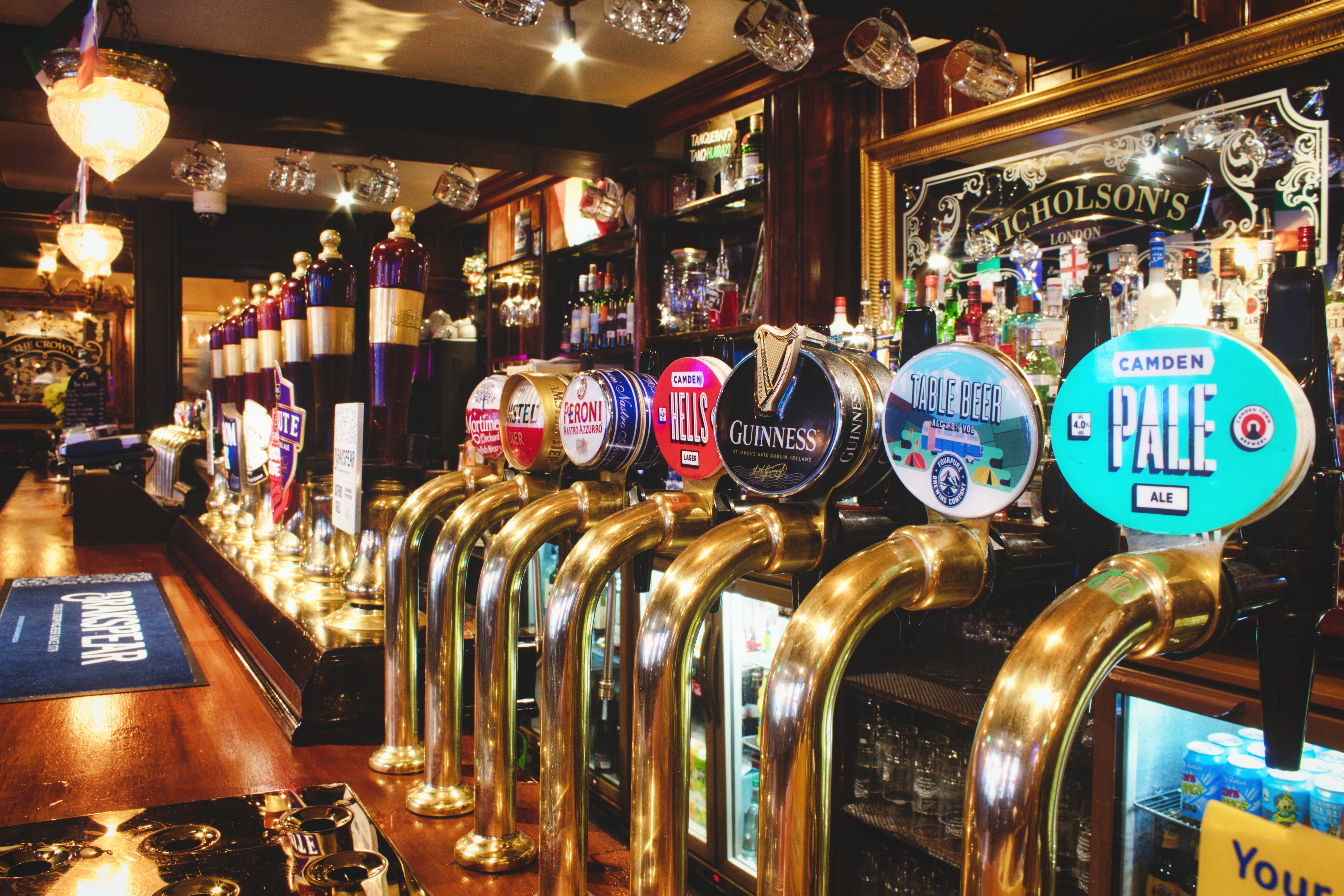
Source: Adobe Stock*. Beer tap line up*
Prime Minister Sir Keir Starmer’s plans to extend the opening hours of pubs and bars in England and Wales have been branded as “short-sighted” by London locals.
This week the Labour government fast-tracked a campaign to revise “outdated” licensing rules for British pubs and bars. The Prime Minister, who described pubs as “the beating heart of our communities”, argues that loosening licensing restrictions and allowing pubs to remain open later with help rejuvenate the struggling sector.
But speaking with pub employees across the city of London, this decision has been met with noticeable resistance.
“It’s really short-sighted” said Connor Petch, the general manager of the Dame Alice Owen in Clerkenwell. “The reason we’re not making any money is due to ridiculous beer duties.”
As reported by Search London, the average price of a London pint now rests at £6.10 – this is £1.27 more than the national average as reported by the Office for National Statistics.
“People aren’t drinking as much. We have a license until 2am already, but why would we use it?” Petch added. “You’ll find a lot of operators sit at a similar sentiment . It’s a very stupid idea. A waste of a thing. I don’t want to get home at 2am”.
Bes Nici, the general manager of Crudough, a pub just down the road from the Dame Alice, had similar concerns.
“It’s pointless. We are busy from 6pm to 8:30pm then it dies down” he said. Nici added that affordability continues to be the biggest problem: “Buying beer is expensive so we have to sell it expensively. A small glass of wine costs £11.50.”
Challenges of affordability continue to burden the UK hospitality sector. As reported by the British Beer and Pub Association, an average of 50 pubs were closing every month across England and Wales in 2024.
Industry bodies argue that relaxing licensing hours will not reverse this prevailing trend.
Ash-Corbett Collins from the Campaign for Real Ale (CAMRA) said relaxing nightly operating restrictions “is all well and good” but labelled it as “frankly insulting” to suggest that cutting the red tape will materially support pubs “when our locals are being taxed to the hilt and struggling to keep the lights on and the doors open”. He cautioned that that without “bold action on VAT, energy bills, National Insurance and duty”, the decline of pubs would continue.
Barry Watts, Head of Public Affairs at the Society of Independent Brewers and Associates (SIBA) described the labour government’s review as “welcome and timely” but stressed that it is “not sufficient on its own” to address the wider problems facing the sector. He urged the government to consider extensive measures in November’s Budget, including increasing draught relief so that beer can be sold under a lower rate of duty.
Together, consumerist groups and the pubs they represent paint a consistent picture: while later licensing hours may offer greater flexibility, the industry illustrates that the problem lies not in when they serve – but whether they can afford to stay open at all.
Comments